
Learning Resources
Analysis of books, puzzles, games, and educational tools that foster lifelong learning.
Page 1 of 1

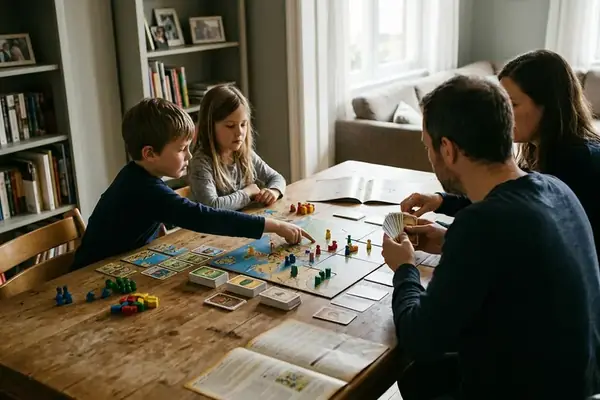
Best is not the same as hardest. A chunky three-piece puzzle can teach persistence and hand control; a lift-the-flap book can build prediction and vocabulary; a cooperative matching game can make turn-taking concrete. The useful test is readiness: does the child stay curious, recover from small mistakes, and have a reason to try again?
Choose fewer materials and use them well. Rotate books that invite retelling, puzzles that require looking closely, and games where children explain choices rather than only chase a win. Price and complexity matter less than fit, repetition, and adult attention. When those line up, play becomes sturdy developmental work.