
Imaginative Play
Resources on pretend play, dolls, puppets, and role-playing for creative expression.
Page 1 of 1
Imaginative play earns its place in language development because it gives children a low-pressure reason to speak, listen, negotiate, and try again. In pretend shops, puppet chats, doll care, and invented journeys, children stretch vocabulary while also practicing emotion words, turn-taking, and the social rules that make conversation work. This collection treats play materials as prompts, not performers; the richest language still comes from a responsive person nearby.
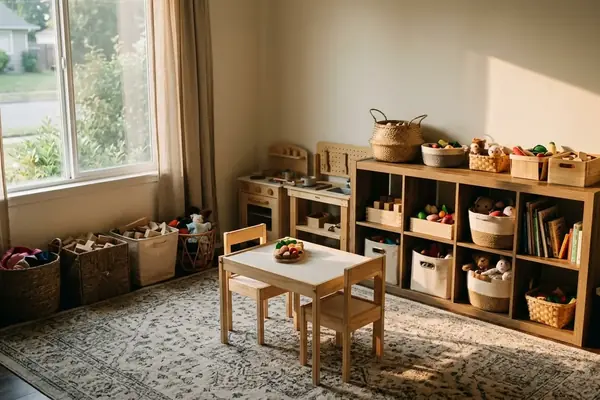
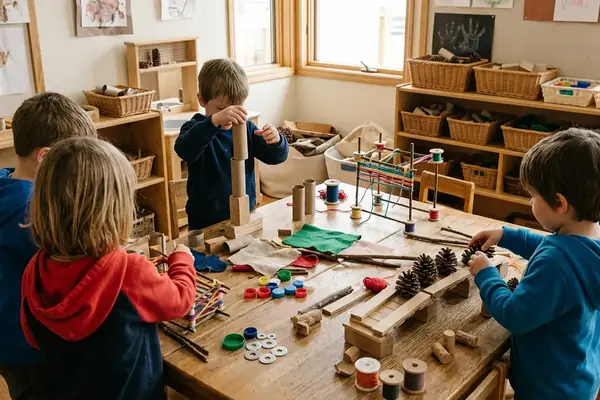
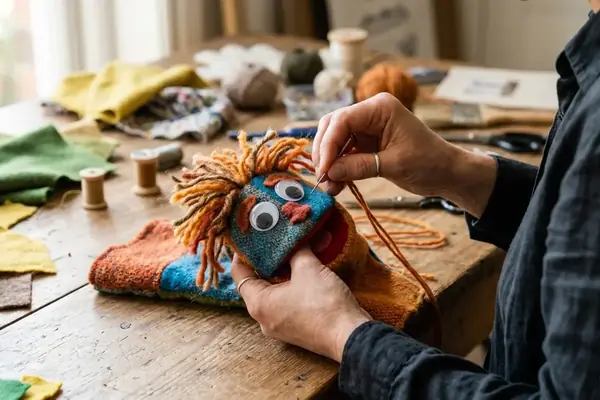
A useful starting point is one small scene repeated over several days: a stuffed-animal clinic, a blanket restaurant, or a train station made from blocks. When the child names roles, repairs misunderstandings, asks for missing props, or retells what happened yesterday, language has work to do. Grammar may wobble. That is fine. The goal is meaningful expression before polished sentences.
Adults help most when they enter lightly: add a new word, wonder aloud, wait for a response, and follow the child’s lead when the plot turns. Open-ended toys such as puppets, dolls, blocks, play food, and dress-up pieces invite this exchange because they need voices, motives, and problems to come alive.