
Developmental Play
Insights into age-appropriate toys and activities that support early childhood milestones.
Page 1 of 1
Developmental play stands apart because the toy is never the whole lesson; the fit between object, age, and moment matters most. A soft rattle, nesting cup, or shape sorter can support sensory exploration, motor practice, language, and early problem-solving when an adult chooses it with the child’s current milestone in mind.
This category keeps that focus practical for parents, caregivers, and early childhood educators who want play to feel engaging rather than forced.
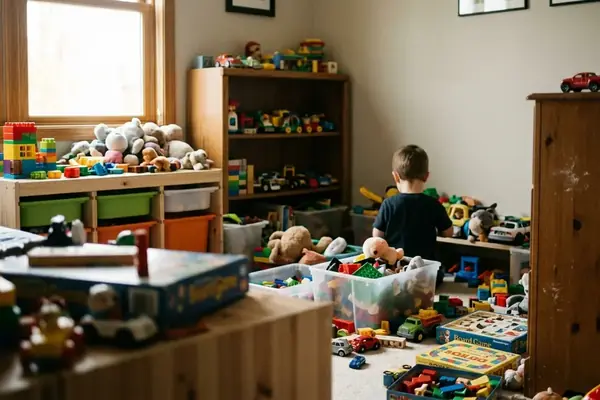

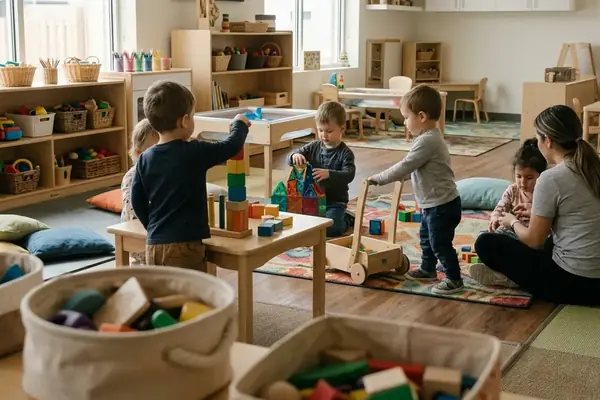
When choosing toys for infants and toddlers, start with the action the child is ready to practice. For a toddler learning to coordinate both hands, a set of stacking cups offers more than a tidy tower: grasping, turning, comparing sizes, naming colors, waiting for a turn, and rebuilding after a collapse all sit inside one simple activity. That kind of open-ended play often carries more developmental value than a toy that does the talking, flashing, and deciding for the child.
Milestones give useful direction, but they are not rigid checkpoints. The better question is usually, “What can this child almost do, and what toy invites one small next step?” With that lens, developmental toys become tools for observation, connection, and steady practice, not pressure.