
Developmental Play
Age-aware guidance on toys and activities that support early milestones, from grasping and sorting to coordination and early problem solving.
Visit Developmental Play
Parents and caregivers frequently face conflicting advice on which play activities truly support milestones. Thetreehousetoystore provides clear, research-informed analysis to cut through the noise.
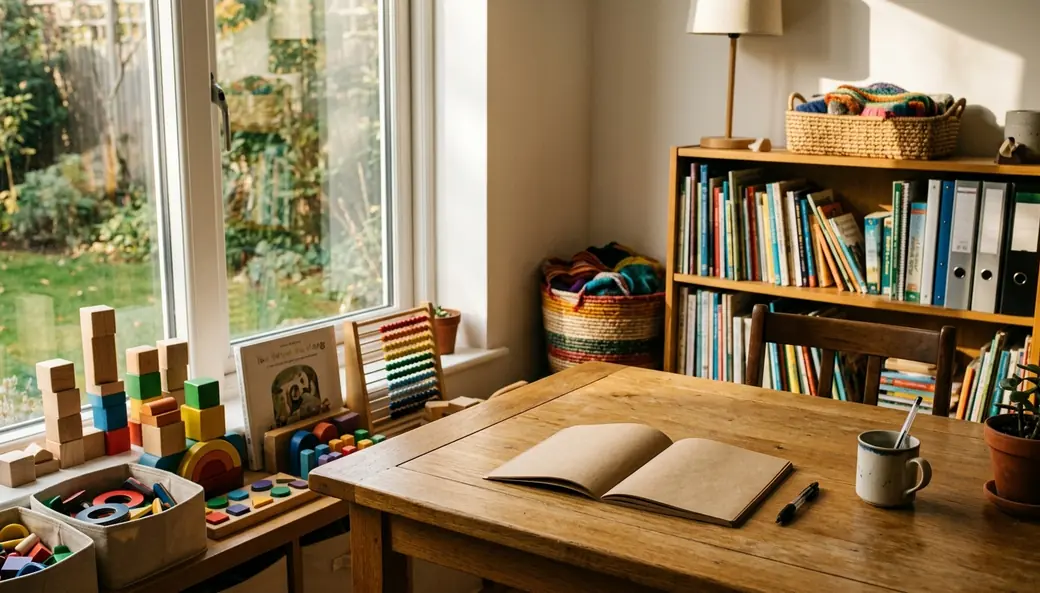
A toy can look charming on a shelf and still miss the moment a child is living through. A three-year-old who wants to sort buttons by color needs a different kind of challenge than a six-year-old building a pretend veterinary clinic under the dining table. Our guides start with that practical gap: what the child is trying to do, not just what the toy claims to teach.
We write for families who want thoughtful choices without turning play into homework.
Good play materials invite repetition, variation, and child-led decisions. Those qualities matter as much as a label that says “educational.”
Each focus area looks at one part of childhood play. Some guides compare toys by age and skill; others look at how materials behave in daily routines, classrooms, and shared family spaces.
Age-aware guidance on toys and activities that support early milestones, from grasping and sorting to coordination and early problem solving.
Visit Developmental Play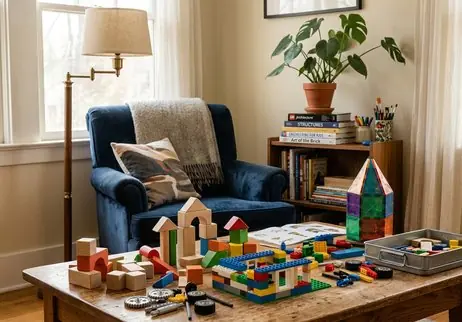
Comparisons and field notes on blocks, building sets, STEM materials, and hands-on construction toys for growing minds.
Visit Constructive Play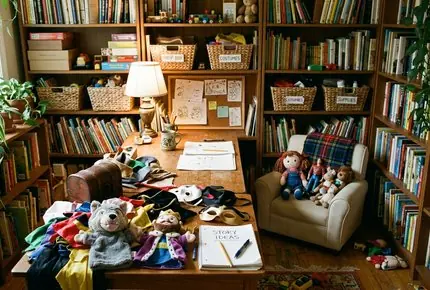
Resources on pretend play, dolls, puppets, and role-playing materials that give children room to test language, emotion, and story.
Visit Imaginative Play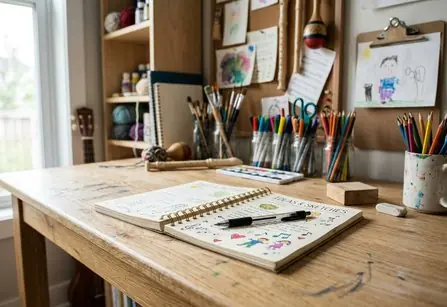
Guides to art supplies, crafts, music, and expressive activities that help children make choices and see their ideas take shape.
Visit Creative Arts
Analysis of books, puzzles, games, and educational tools that support curiosity without crowding out play.
Visit Learning ResourcesDuring practice, the simplest questions tend to be the most useful: What can the child do with this toy today, and what might they try next week?

Our editorial method weighs developmental purpose, material quality, setup time, replay value, and the kind of adult support a toy usually asks for. A puzzle that needs constant correction may suit a quiet one-on-one moment, while open-ended blocks can carry a mixed-age group for much longer. Neither choice is automatically better. The fit depends on the child, the setting, and the adult’s bandwidth.
That last part matters. A beautiful craft kit with twelve tiny steps may be wrong for a tired Wednesday afternoon, even if it shines on a rainy Saturday morning.
Age labels offer a starting point, not a full reading of readiness. Toy fit still depends on the child in front of you.
For a concrete example, our guide to toys that support motor skill development looks closely at movement, grip, and frustration level. Families planning game time may also find educational board games for family learning nights useful.
Community observation suggests that families rarely need more toy choices; they need better filters. We keep that in mind when we compare building sets, explain puppet play, or look at craft projects made from household items.
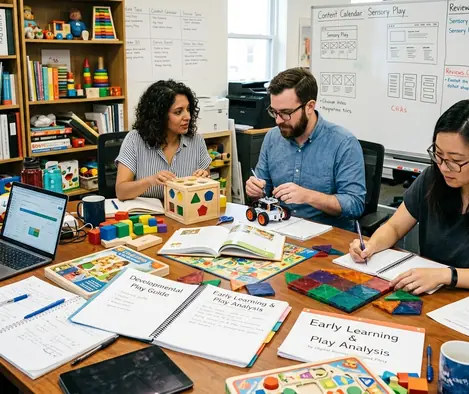
The thetreehousetoystore editorial director coordinates a content team of about seven people focused on child development, classroom practice, creative play, and educational toy analysis. The team’s role is narrow by design: explain how play materials may support learning, where they may fall short, and what caregivers should watch before buying or setting up an activity.
We do not treat every toy as a lesson plan. Some of the richest play looks loose from the outside: a cardboard box becomes a train station, a puppet refuses bedtime, or a tower falls for the eighth time and gets built again with a wider base.
Before adding a new toy, watch what a child already repeats. Repetition often points to the skill, story, or sensory experience they are working on right now.