Origins of Structured Sensory Play
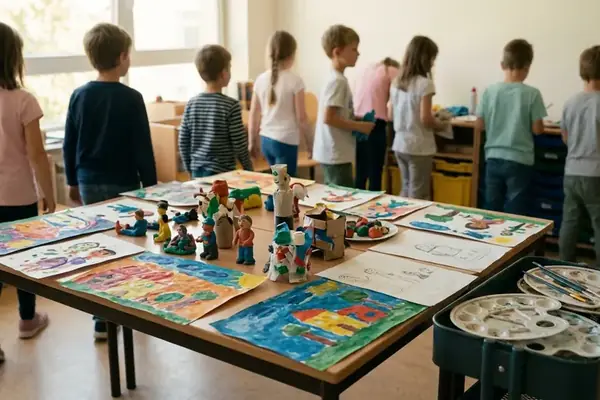
Between 1945 and 1960, early childhood education underwent a structural transformation regarding tactile learning. Educators formalized material rotation by observing that toddlers engaged more deeply when a limited selection of items was swapped out regularly, rather than having access to all classroom materials. This pedagogical shift moved away from static playrooms toward dynamic, curated environments.
This wasn't accidental—Maria Montessori and her contemporaries recognized that overwhelming a child's visual field dilutes focus. Rotation cycles occurring every 10 to 14 days became a standard practice in progressive preschools. By limiting choices, educators paradoxically expanded the depth of the child's exploration.
Today, we translate this classroom architecture into weekly home routines. Long-term tracking demonstrates that structured sensory exposure supports cognitive mapping and fine motor development. The goal is not constant novelty, but predictable variation that allows a toddler to anticipate, investigate, and master the physical properties of their world.
Selecting Weekly Themes
Caregivers frequently start by attempting daily theme changes to keep things fresh. Observing rapid toddler fatigue and high preparation burnout usually prompts a shift to a single weekly theme. A comparative analysis of home play environments shows that a weekly cadence provides the necessary repetition for mastery.
Align themes with seasonal changes and child interests to build contextual vocabulary. Balance tactile, auditory, and visual elements across the days, targeting 3 to 4 different sensory modalities per week. You might introduce dry, auditory materials on Monday and transition to wet, cohesive materials by Thursday.
Expect about 15 to 20 minutes of focused engagement per session. Assuming a toddler will engage with a highly complex sensory bin for a full hour frequently leads to overstimulation and a messy meltdown within the first 10 minutes. Limit the setup to four or five core themes per week to maintain this focused engagement and protect the child's attention span.
Rotating and Organizing Materials
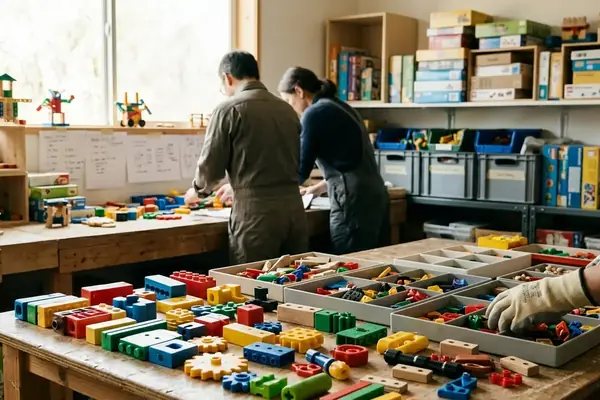
Systematizing the physical components prevents the routine from collapsing under its own logistical weight. Organizing storage by texture and base material rather than by color allows parents to execute weekly swaps in under ten minutes during Sunday evening preparation.
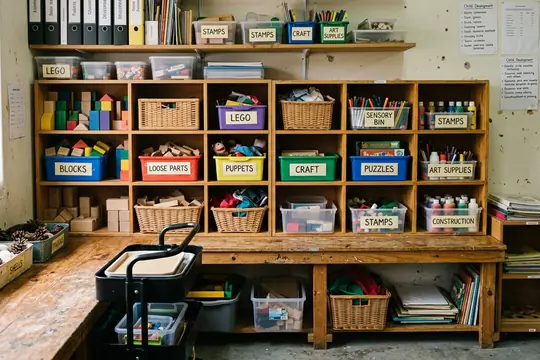
Use 12-quart clear plastic storage bins for your primary rotation library. Rotating 4 to 5 core items per bin ensures the child interacts with the materials rather than just dumping them. Incorporate household objects alongside commercial sensory tools. A metal whisk, a silicone spatula, or a heavy wooden spoon often holds more developmental value than a single-use plastic toy because they offer varied weight and thermal feedback.
Weekly Sensory Bin Prep Checklist
- Wash and thoroughly dry the primary 12-quart sensory bin
- Select one base material (e.g., 4 cups of dry lentils or 3 cups of water)
- Gather 3 to 5 thematic tools (scoops, tongs, silicone baking cups)
- Lay out the 48-inch splat mat beneath the play zone
Quick Tip: Track usage in a simple notebook to avoid repetition and maintain novelty. If lentils were the base in week one, pivot to water or kinetic sand in week two.
Managing Mess and Safety
The volume of base materials needed varies drastically depending on whether the child is playing on a compact highchair tray versus a large 36-inch floor-based tuff tray. Regardless of the vessel, your containment strategy dictates the success of the session.
Placing a washable drop cloth under the play table before introducing wet materials prevents the need for mid-play interruptions to wipe up inevitable spills. Standardize your setup using 48-inch to 60-inch washable splat mats. Limit liquid volume to 2 to 3 cups per bin to contain the splash radius.
While preschool environments inform these volume limits, home environments require continuous observation of individual motor control. You must adjust the physical boundaries based on your specific flooring and the child's current pouring trajectory.
Note: Children with tactile defensiveness may require dry, predictable textures like large dry pasta for several weeks before graduating to wet or sticky materials.
A Tuesday Afternoon Session
The afternoon window between 3:15 PM and 3:45 PM offers a natural lull suited for focused exploration. A mother and toddler sit beside a 12-quart bin containing dry rice and a small pitcher of water. The parent deliberately waits for the child to initiate mixing the rice and water rather than demonstrating the action immediately. This pause fosters independent discovery and extends the play duration.
The child narrates the changing texture as the rice absorbs the liquid, pushing a wooden spoon through the heavy, wet grains. The parent offers gentle, observational prompts, noting how the sound of the rice changes from a sharp rattle to a dull thud. At 3:40 PM, the parent issues a 5-minute verbal transition warning before cleanup. The routine ends with shared wiping of the splat mat and a calm transition to the kitchen for a snack.