Why Play-Based Tools Matter for Regulation
A toddler's body does not return to calm the moment a tantrum quiets. Cortisol recovery times in this age group typically run between 25 and 40 minutes after a meltdown peaks, meaning the child remains physiologically stirred long after the crying stops. That lag matters, because it reframes the goal: the point is not to end the outburst faster but to support the slow biological descent back to baseline.
A calm-down basket is a simple answer to that need. It is an open, portable container holding a curated set of sensory and quiet-play items a child can reach for when big feelings arrive. The concept borrows from developmental play principles, treating regulation as a skill practiced through objects rather than a behavior extracted through correction.
The choice to build a proactive tool rather than rely on reactive discipline came from watching escalation cycles unfold in real family homes. A physical, play-based anchor consistently gave distressed toddlers something concrete to orient toward. A dedicated space also cuts the frantic minutes caregivers otherwise spend hunting for a soothing item mid-crisis.
What follows is a step-by-step build: selecting the vessel, gathering tactile items, layering visual and auditory supports, adding quiet play, establishing rituals, and finally introducing the basket and timing its use around a child's emotional arc.
Choosing the Basket and Its Location
Size and material
The container itself carries more weight than families expect. A soft-sided, open-top basket measuring roughly 12 to 14 inches wide and 8 to 10 inches deep holds enough without becoming a bin the child rummages through blindly.
Caregivers often reach first for a lidded storage box, reasoning that a cover keeps the space tidy. That extra motor step — prying off a lid during peak distress, tends to compound frustration rather than relieve it. An open top removes a barrier at the exact moment a child has the least patience for one.
Placement and personalization
Position the basket at a height of about 18 to 24 inches off the floor. That range keeps it within a toddler's independent reach, reinforcing the idea that this resource belongs to the child, not the adult. A shelf corner in a low-traffic room works better than a busy hallway.
Personalization deepens ownership. Let the child help choose the basket's color or add a favorite sticker to the side. Small acts of authorship turn a container into their calm-down space.
Gathering Tactile and Sensory Items
Selection here favors deep pressure and proprioceptive feedback over visual charm. Heavy and highly textured objects give the nervous system something firm to register, which pulls attention away from the emotional trigger.
A lap pad weighing 1.5 to 2 pounds suits a preschooler well, offering grounding weight without restricting movement. Textured silicone chewelry or brushing sponges add immediate tactile resistance the child can press, squeeze, or run across the skin.
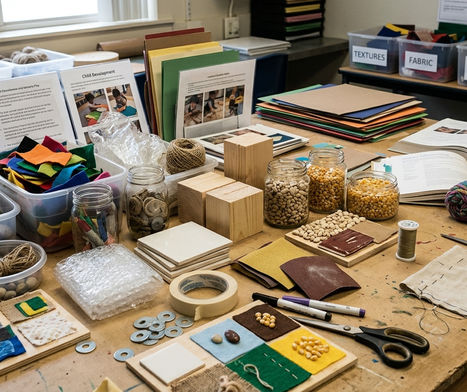
Texture supports calming because it competes for the brain's bandwidth. When fingers are busy processing ridges and resistance, the runaway emotional signal loses some of its dominance. The effect is subtle and physical rather than instructional.
Note: Match every item to the child's age and mouthing habits. Objects should be too large to swallow, free of small detachable parts, and washable. Children with severe sensory processing differences may find a fully stocked basket overwhelming and do better with a single item presented at a time.
Incorporating Visual and Auditory Supports
Picture cards and visual timers
Visual tools earn their place by slowing a child down without startling them. A liquid motion bubbler that takes 2 to 3 minutes to empty gives the eyes a steady, predictable descent to follow — a pace that gently mirrors a slowing heart rate.
This is why visual timers are preferred over digital alarms. A sudden auditory beep can re-trigger a child who has just begun to settle, undoing the very recovery the tool was meant to support.
Laminated emotion cards measuring 3 by 5 inches, clipped to a binder ring, give the child a vocabulary for what is happening inside. Naming an emotion is itself a regulating act.
Soft sound options
Auditory items call for caution. A rainstick soothes some children beautifully and overstimulates others; the difference tracks closely with how a child tolerates unpredictable noise. Introduce any sound-based tool during a calm moment and watch the response before making it a fixture.
Adding Quiet Play Activities
The best quiet-play items ask for bilateral coordination while demanding little cognitive effort. That combination lets the child's brain shift from the emotional trigger to a predictable, repetitive physical task.
- Board books built from 4 to 6 thick pages, sturdy enough for anxious hands to turn without tearing.
- Chunky wooden puzzles limited to 3 to 5 pieces, simple enough to complete without frustration.
- A single fine-motor toy — beads to slide, a latch to work, that rewards repetition.
The emphasis stays on independent use. These constructive-play objects are meant to occupy the child's own hands, giving the nervous system a job while a caregiver stays nearby without directing every move.
Quick Tip: Rotate one quiet activity every few weeks. Novelty keeps the basket interesting, and a fresh puzzle can re-engage a child who had started to ignore the old one.
Establishing Comforting Routines
Objects work best when a ritual accompanies them. The most durable breathing exercise pairs breath with a physical anchor — blowing a pinwheel, for instance, which makes the abstract idea of "deep breathing" concrete for a young mind. The child watches the blades spin and learns, through the object, what a long exhale feels like.
Practice belongs to calm days, not crisis days. Running through the routine three or four times a week during baseline periods builds the muscle memory a child can later draw on under stress. Holding a transitional object for a minute or two while an adult co-regulates gives the ritual a clear, comforting shape.
Consistency across caregivers matters as much as the routine itself. When a parent, a grandparent, and a babysitter all cue the same breathing sequence, the child meets one predictable script instead of three competing ones.
Introducing the Basket to Your Child
Timing the first introduction is everything. Present the basket during a neutral, happy stretch — never mid-meltdown, so the child files it under safety and curiosity rather than punishment.
Keep initial sessions short, roughly 5 to 8 minutes. Model two or three items yourself before inviting the child to explore: squeeze the lap pad, tip the bubbler, turn a book page. Demonstration teaches use without a single instruction.
Guard against overuse. A basket offered constantly loses its signal value; reserve it for genuine emotional moments so it retains meaning. And temper expectations for the debut — assuming a child will independently seek the basket during a first major meltdown, with no weeks of co-regulation behind them, sets everyone up for disappointment. The skill grows through repetition, not revelation.
Using the Basket Before, During, and After Big Feelings
Catching the rumble
Dysregulation rarely arrives without warning. Most children signal a "rumbling" phase — clenched hands, rising voice, a stiffening body, within roughly a minute to a minute and a half of initial frustration. Guiding a child toward the basket in that narrow gap, before the "rage" phase takes hold and they lose access to reason, is the single highest-leverage move a caregiver can make.
In the moment
Once feelings crest, keep language sparse. Offer the basket, sit alongside, and let the weighted item or the slow-draining bubbler do the physiological work. This is co-regulation, not correction.
Afterward
Reflection lands best 10 to 15 minutes after the child has returned to baseline — long enough for the body to settle, close enough that the memory stays warm. A brief, gentle recap using an emotion card helps the child connect the feeling to the tool that helped.
The window that governs all of this is remarkably tight: a child slides from first frustration toward full escalation in as little as 60 seconds, yet the body needs up to 40 minutes to climb back down. A basket kept within arm's reach exists to shrink the first number and honor the second.